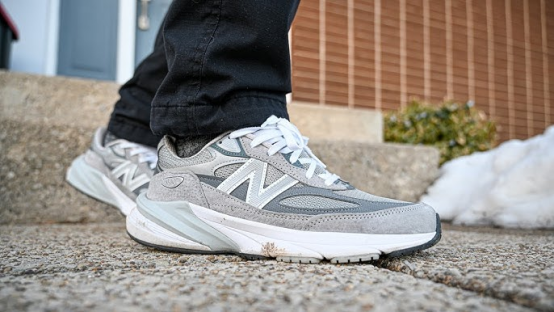
As a sedentary office worker who occasionally runs for exercise, plantar fasciitis once caused me excruciating pain. Every morning, as I stepped out of bed, the stabbing pain in my heels made it nearly impossible to stand. Late last year, I bought a pair of New Balance 990v6s and have been wearing them daily. Six months later, has the pain truly subsided? Here are my personal experiences and reflections.
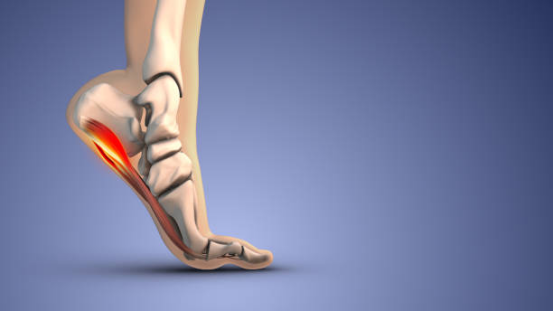
1. What is plantar fasciitis?
Plantar fasciitis is caused by excessive stretching and micro-injury of the plantar fascia that connects the heel to the toes. The main symptoms include:
Heel pain in the morning : most noticeable when you suddenly land after a long period of inactivity
Dull pain during activity : soreness and swelling in the soles of the feet when walking or running
Aggravated by prolonged standing : Pain worsens after standing for a long time
General rehabilitation requires: reducing excessive weight bearing, improving gait, stretching the plantar surface, and choosing appropriate shoes to provide arch support and cushioning.
2. Design highlights of the New Balance 990v6
After learning about the key points of plantar fasciitis rehabilitation, I chose the NB 990v6 because it has:
ENCAP midsole technology
Compression-resistant EVA core + PU stable shell, taking into account both shock absorption and support
ABZORB insoles
Shock-absorbing material disperses heel impact and reduces strain on the plantar fascia
Wide last design
Provides space for toes to stretch and reduces pressure on the soles of the feet
Durable outsole pattern
Non-slip and wear-resistant, it can maintain stability after long walking
These characteristics are in perfect harmony with the core requirements for plantar fasciitis recovery: “support”, “cushioning” and “arch fit”.
3. My Wearing and Recovery Process
I use the NB 990v6 as a daily commuting shoe and weekend jogging shoe. Here’s how I do it:
| Time period | Dressing scene | Remark |
| Weekday work (8 hours) | Walking indoors, occasionally standing | Walk about 4–5 km per day |
| Weekend jogging (3–5 km) | Parks and running tracks | Maintain a light jog with foot stretching and massage roller |
| Family Leisure | Short shopping trips and outings | Maintain all-day wear to help the foot adapt to the shoe structure |
Weeks 1-2 : I still have soreness in my heels and arches, but the pain is about 30% less than with my old shoes.
Weeks 3–6 : Morning stinging is significantly reduced and must be maintained daily through stretching and massage.
After the second month : There is almost no obvious pain when walking daily, only slight soreness and swelling after standing for a long time (>4 hours).
Half a year later : The tingling in my heels in the morning has basically disappeared, and I occasionally feel slightly tired after jogging.
4. In addition to good shoes, I also made these
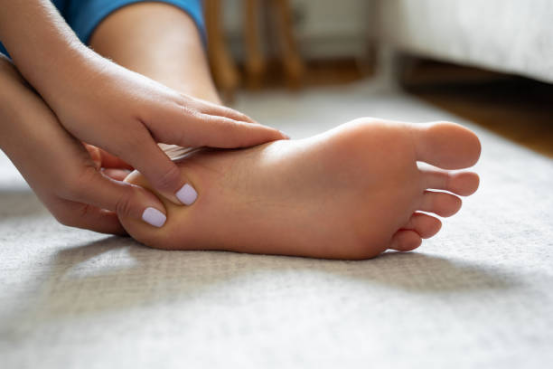
A good pair of shoes alone is not enough to completely cure plantar fasciitis. I also use:
Daily foot stretching
Use a towel to stretch the plantar fascia and dorsiflex the toes
High-density massage roller
Strengthen the relaxation of the soles of the feet and calf muscles every night
Shorten your running distance and slow down your jogging speed
Reduce foot impact
Nighttime arch support orthosis (worn at bedtime)
Keep your plantar fascia gently stretched to prevent morning stiffness
These auxiliary measures complement the support and cushioning of NB 990v6 and significantly accelerated my recovery progress.
V. My Conclusions and Suggestions
NB 990v6 is very effective in relieving plantar fasciitis : at least in my case, the pain was relieved by more than 80% in half a year.
Functional shoes need to be combined with rehabilitation training : running shoes can only bear part of the responsibility, continuous stretching and massage are equally important.
It varies from person to person, and the last and cushioning should be suitable for your foot shape : it is best to try them on in a physical store and walk around for 10-15 minutes to feel the fit of the arch and the stability of the heel.
Tips
Give new shoes enough time to break in : Avoid standing or walking for long periods of time during the first two weeks.
Check the condition of the sole and midsole regularly to ensure that the cushioning layer has not collapsed.
Pay attention to foot warmth and blood circulation : Wear warm socks in cold weather to prevent foot stiffness.
After a long battle with plantar fasciitis, I’m so glad I made the decision to switch shoes. The NB 990v6 has not only restored my confidence in running shoe cushioning, but has also become a reliable partner on my road to recovery. I hope my sharing can provide some reference and inspiration for those of you struggling with plantar fasciitis. I wish you a speedy return to running and a smoother ride!
